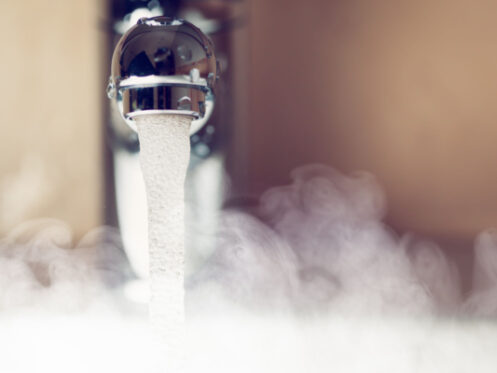
The condition of your water heater probably isn’t something that you’re losing sleep over, but it should definitely be kept in the back of your mind. Your water heater requires regular upkeep just like any other appliance in your home. To keep it functioning properly maintenance procedures must be done. Luckily, they’re actually quite simple. Here are some water heater repair tips that you can do to keep your water heater running smoothly.
-
Determine If You Have a Gas or an Electric Heater
You can’t maintain your water heater if you don’t know how it’s supposed to work. Gas and electric heaters, while they do the same job of heating your water, function completely differently. It’s a good idea to know which model you have before. Simply check inside to see if the heater contains a pilot light. If it does, your heater is gas. Alternatively, check the top of the heater for an electrical supply cord, which looks like a large extension cord. This means that you have an electric water heater.
-
Test the Temperature and Pressure Valve
The temperature and pressure valve is an incredibly essential safety feature of your heater. It can sense dangerous pressure buildup and unnaturally high temperatures and is designed to relieve pressure at 150 psig and temperature at 210 degrees F. If your valve isn’t functioning properly, your heater is at high risk of exploding, which can cause very serious damage to your home. Valve testing is recommended at least once per year. To test that your valve is operational, lift the lever several times to release a water flow. Hot water should rush out of the end of the drainpipe (it is recommended you set up a bucket at the end of the drainpipe to catch the water). If no water flows through the pipe or the flow seems restricted, replace the valve.
-
Check the Anode Rod
The anode rod is arguably the most important part of your heater and should be removed and inspected once every year. Making sure your rod is in good shape directly correlates to the lifespan of your heater. Don’t be alarmed if you find surface corrosion or pitting, this is natural. The rod should be replaced, however, if portions of metal coating are missing from the surface, the surface is covered with calcium, the rod itself is less than half an inch think, or if a large amount of the core steel wire is visible.
-
Flush the Tank
It’s important that you flush your tank at least once a year to remove sediment that accumulates on the bottom of the tank, especially if you live in an area with hard-water. Even though it may seem tedious and forgettable, sediment buildup can reduce your heater’s ability to do its job. The job is fairly simple. Drain any water remaining in the heater’s tank into a bucket. Then stir up sediment that remains on the bottom of the tank by opening the cold-water supply valve, then quickly closing it. Repeat this process until the water coming out of the tank is clean.
There are many easy procedures to keep your water heater operating efficiently and keep it running for longer. Even though it may not seem like a critical thing to worry about, upkeeping your heater will save you a lot of time and money in the long run.
Do you have any questions? Contact a hot water heater repair professional with any issues you have. We’re happy to help!


